



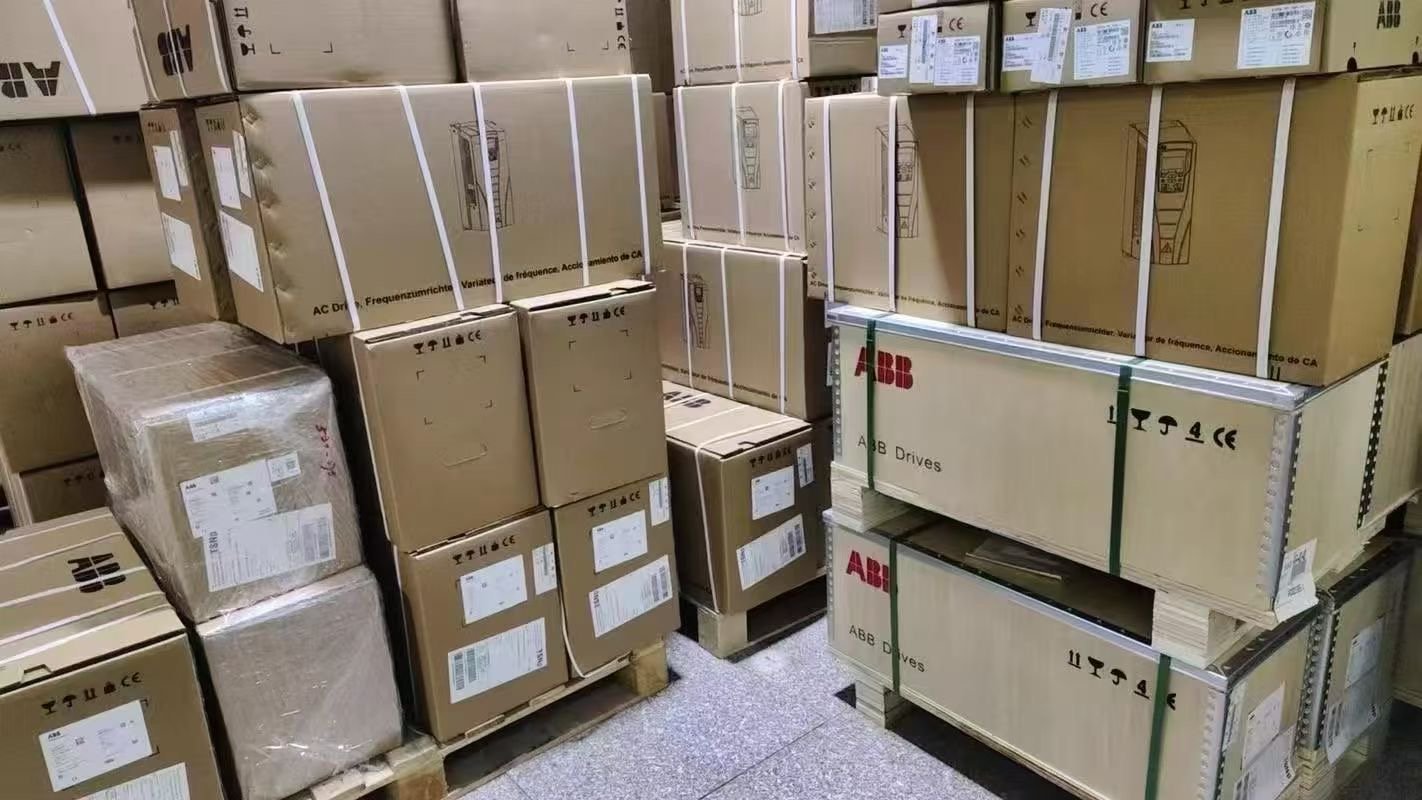
Why Timely Delivery Matters: Building Customer Trust
In the competitive landscape of industrial control products—where delays can lead to costly production halts, project overruns, and broken operational workflows—timely delivery is far more than a logistical checkbox. It is the cornerstone of building sustainable customer trust, fostering long-term partnerships, and differentiating your business from competitors. For manufacturers, system integrators, and distributors of PLCs, inverters, sensors, and other critical industrial components, the link between on-time delivery and customer loyalty is direct and irreversible.
1. Timely Delivery Prevents Catastrophic Operational Losses for Customers
Industrial control products are the “nerve center” of manufacturing lines, power plants, and automated systems. A delayed shipment of a 55kW Siemens MM430 inverter, a Schneider PLC module, or a precision sensor can bring an entire production line to a standstill. The financial impact of such downtime is staggering:
- For a mid-sized automotive parts factory, 1 hour of production downtime can cost $10,000–$50,000 in lost output, labor costs, and missed delivery deadlines to downstream clients.
- For a chemical plant relying on safety-critical control components, delays may trigger regulatory non-compliance penalties and reputational damage.
When you deliver critical 工控 products on schedule, you directly protect customers from these losses. This tangible value demonstrates that you understand their operational priorities—not just as a supplier, but as a partner invested in their success. Over time, this reliability becomes the foundation of trust.
2. It Reinforces Perceptions of Professionalism and Competence
Consistent on-time delivery sends a clear message: Your business is well-managed, customer-centric, and capable of honoring commitments. In the industrial sector, where projects are often planned months in advance with rigid timelines, customers need to rely on suppliers to align with their schedules.
- A supplier that consistently delivers within the promised window signals mastery of its supply chain—from inventory management and order processing to logistics coordination.
- Conversely, frequent delays (even for “minor” reasons like inventory shortages or shipping errors) erode confidence. Customers will start to view your business as unreliable, questioning whether you can handle larger, more critical orders in the future.
For example, if a system integrator promises to deliver a customized inverter cabinet to a factory expansion project by the end of the month, and meets that deadline, the customer will perceive the integrator as a professional, detail-oriented partner. This trust makes the customer far more likely to prioritize your business for future projects.
3. It Drives Customer Loyalty and Repeat Business
In the industry, customer retention is far more profitable than acquiring new clients. The cost of winning a new customer can be 5–10 times higher than retaining an existing one—and timely delivery is one of the most effective retention tools.
Customers who experience consistent on-time delivery are:
- More likely to renew long-term contracts: A 2025 industry survey found that 78% of industrial buyers will extend a supplier contract if delivery reliability exceeds 95%.
- Willing to pay a premium: 62% of respondents said they would accept a 3–5% price increase for a supplier with a proven track record of on-time delivery, compared to a cheaper but less reliable alternative.
- Prone to word-of-mouth referrals: Satisfied customers will recommend your business to peers in the industry—a powerful form of marketing that no advertising campaign can match.
By contrast, customers who face repeated delivery delays will quickly switch to competitors, even if your products are technically superior. In the industrial world, trust lost to late deliveries is hard to regain.
4. It Creates a Competitive Edge in a Homogenized Market
Many products—especially mainstream inverters, PLCs, and sensors—have similar technical specifications across brands. When product features and prices are comparable, delivery reliability becomes a key differentiator.
For example, two distributors selling the same Fuji FRENIC-ACE inverter model may offer nearly identical prices. But if Distributor A has a 98% on-time delivery rate and provides real-time shipment tracking, while Distributor B has a 85% rate with limited communication, customers will choose Distributor A every time. This edge is not just about logistics—it is about the peace of mind that comes with knowing their orders will arrive when needed.
How to Turn Timely Delivery into Trust-Building Actions
To leverage timely delivery for customer trust, focus on these actionable steps:
- Set realistic delivery windows: Avoid overpromising (e.g., “next-day delivery” for hard-to-source components) and underdelivering. Transparency about lead times builds more trust than empty guarantees.
- Provide proactive communication: If a delay is unavoidable (e.g., supply chain disruptions), notify the customer immediately, explain the reason, and offer solutions (e.g., a temporary replacement part or expedited shipping at no extra cost).
- Invest in supply chain resilience: Maintain safety stock for high-demand 工控 products, partner with multiple logistics providers, and use digital tools to track inventory and shipments in real time.
- Measure and improve delivery performance: Track metrics like on-time delivery rate (OTDR) and order fulfillment cycle time, and share these results with customers to demonstrate your commitment to improvement



2 Comments
Eliza Hale
27 6 月, 2025, at 1:20 下午I am very grateful for you delivering the goods on time, which helped minimize my losses. Thank you for your diligence.
John Jerry
27 8 月, 2025, at 8:17 上午Yes, I strongly agree with your views.