


How to deal with the current price increases of industrial control products from Siemens, Schneider, and other manufacturers?
In the face of collective price adjustments by industrial control giants such as Siemens and Schneider Electric at the beginning of 2026 (mainstream products saw price increases of 3% to 10%, with some older models experiencing increases of 15% to 20%), enterprises need to establish a three-tier defense system consisting of “short-term buffer – mid-term optimization – long-term transformation.” This will enable them to shift from passive acceptance to proactive response, thereby achieving cost control and enhanced competitiveness.
Pre-stock preparation: Identify the demand for core models, lock in orders before price increases take effect (for example, orders placed with Schneider before February 1 can be extended to March 31 for pickup) to control costs by taking advantage of the manufacturer’s buffer period.
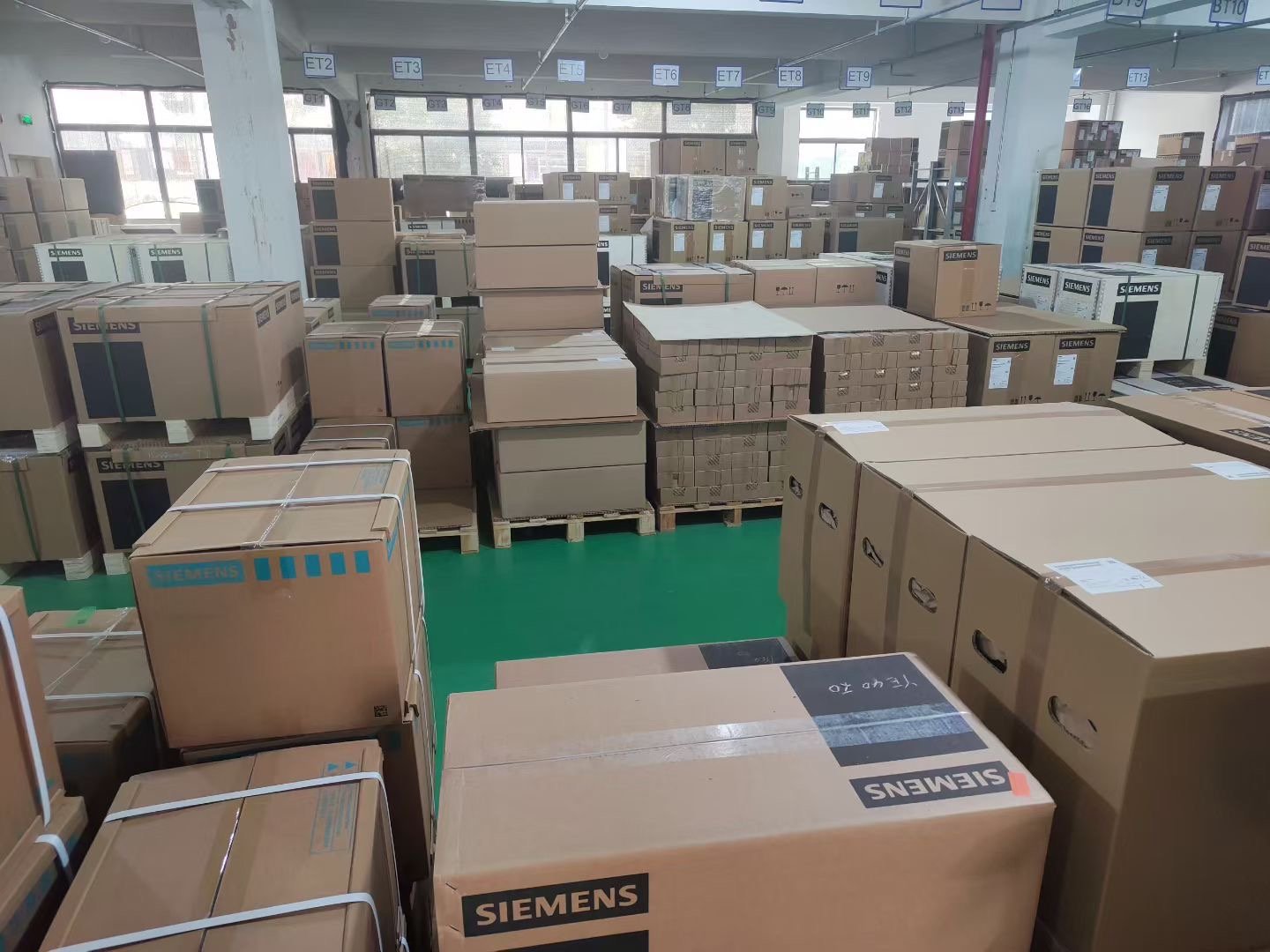
Safety stock optimization: Establish a three-tier inventory system comprising “core spare parts + common models + strategic reserves,” with a focus on ensuring the supply of spare parts for discontinued/old models (which have experienced the highest price increases).
Disposal of Stalled Inventory: Discounted disposal of excess materials to recoup funds for stocking critical products and avoid tying up capital.
Collective purchasing: Integrate group/industry procurement needs to create economies of scale, resulting in a 5-10 times increase in negotiating power and access to price discounts of 8%-12%.
Joint Purchasing: Form a purchasing alliance with companies in the same industry to jointly procure core components, share costs, and reduce the purchase price by 10% to 15%.