



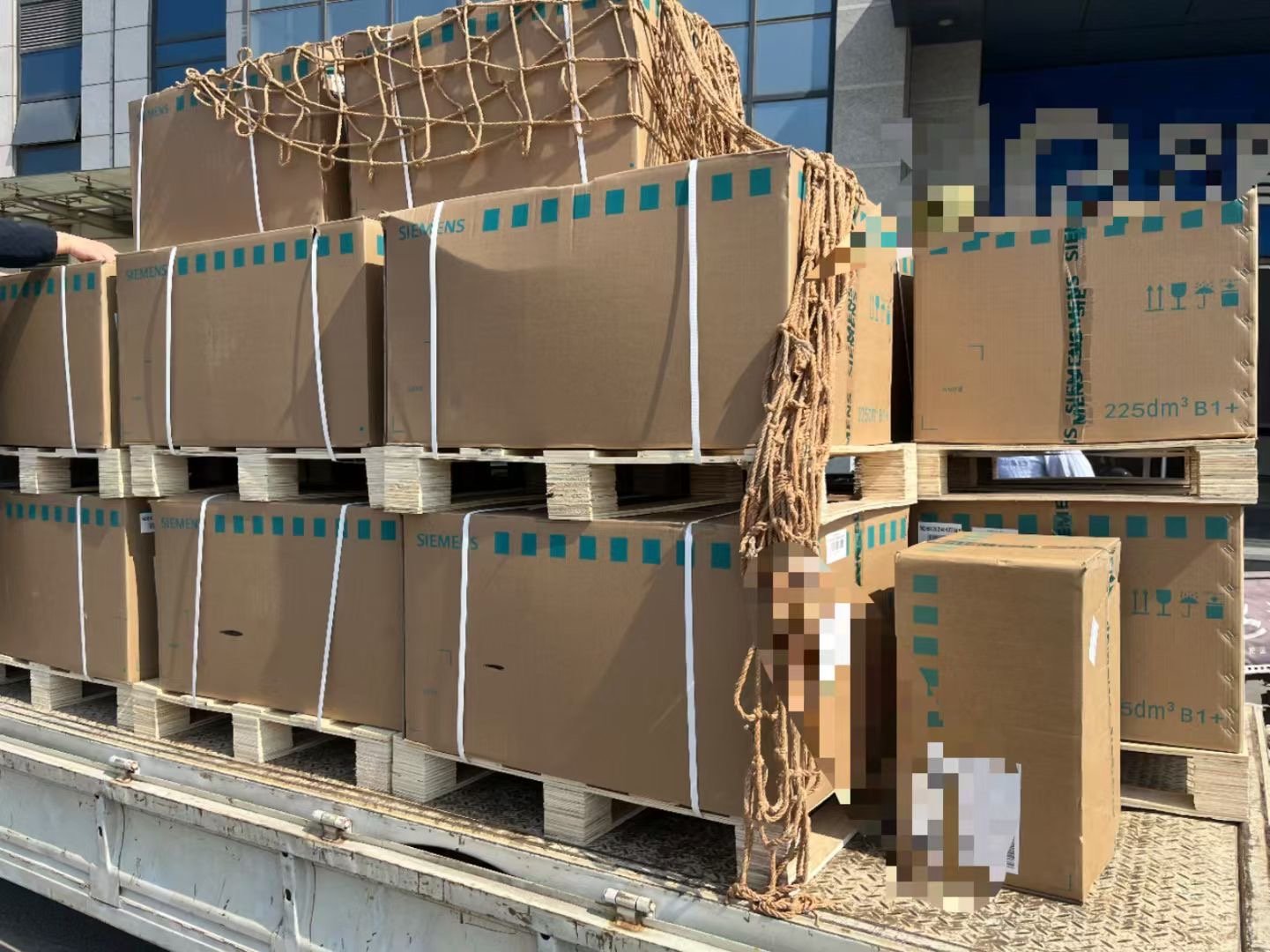
How can the safety of cargo during long-distance transportation be ensured?
Long-distance transportation involves multiple links—loading, transit, unloading, and cross-regional/ cross-border transfers—making cargo vulnerable to damage from vibration, collision, humidity, temperature fluctuations, or improper handling. For high-value, precision-sensitive goods (e.g., industrial control products like inverters, PLCs, sensors), ensuring safety requires a systematic, full-cycle strategy covering pre-transport preparation, packaging, in-transit management, and post-delivery inspection.
1. Pre-Transport Preparation: Lay the Foundation for Safety
Classify Cargo and Define Protection Requirements
First, clarify the core characteristics of the cargo to tailor protection measures, especially critical for industrial control products:
Precision electronic components (PLCs, sensors): Sensitive to static electricity, vibration, and moisture; require anti-static, shockproof, and humidity-controlled protection.
Heavy industrial equipment (inverter cabinets, motor drives): Prone to shifting during transit; need reinforced fixation and anti-tilting measures.
Hazardous components (if applicable): Some products with lithium batteries or capacitors must comply with international transport regulations (e.g., IATA for air freight, IMDG for sea freight) to avoid safety risks.
Select a Reliable Logistics Partner
Choose carriers with proven experience in handling your cargo type:
Prioritize logistics providers with a track record in industrial goods transportation; verify their safety ratings, insurance coverage, and handling protocols for precision equipment.
For cross-border shipments, select partners familiar with customs clearance procedures to avoid prolonged detention (which increases the risk of cargo damage or loss).
Purchase Comprehensive Cargo Insurance
Insurance is a critical safety net to mitigate financial losses from unforeseen events:
Select insurance coverage matching your cargo value and risk factors, such as all-risk cargo insurance (covering collision, theft, water damage, natural disasters, etc.).
Clarify insurance terms, including claim thresholds, documentation requirements, and liability scope (e.g., whether damage during loading/unloading is covered).
2. Packaging Optimization: The First Line of Defense Against Damage
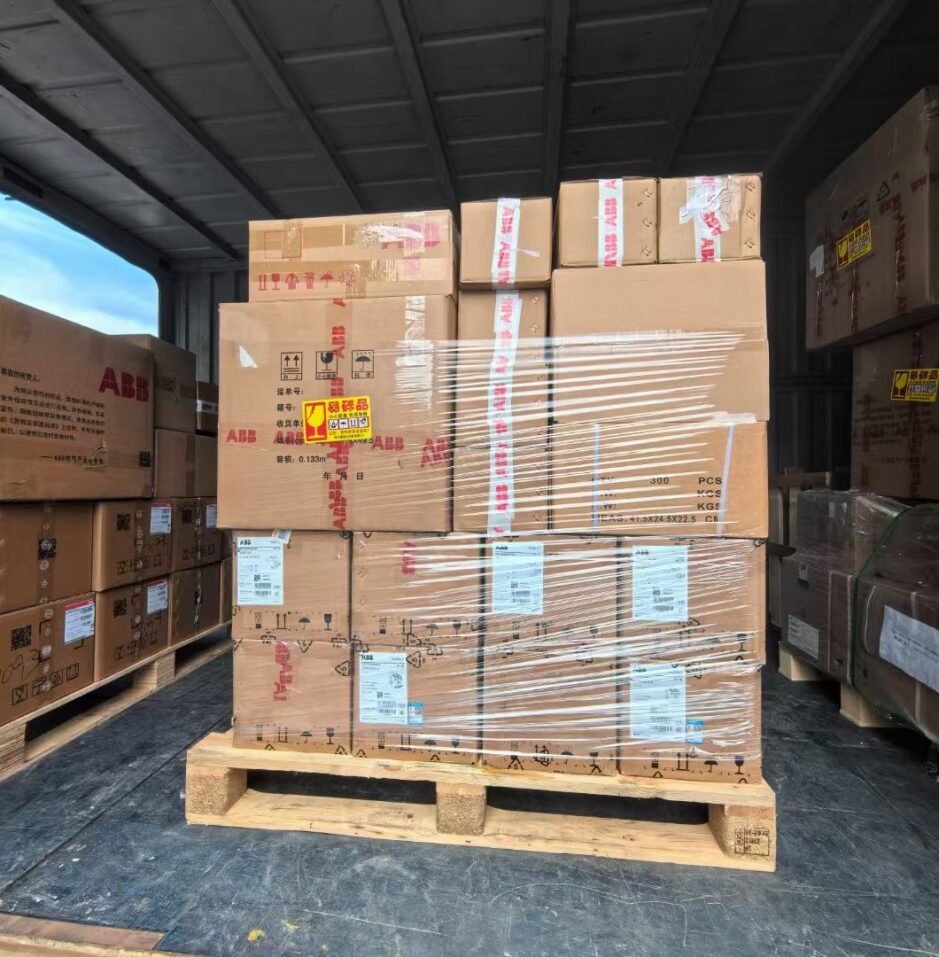
Packaging is the most direct way to protect cargo during long-distance transit; it must be tailored to the cargo’s fragility, weight, and transport mode.
3. In-Transit Management: Monitor and Control Risks in Real Time
Optimize Loading and Securing Procedures
- Weight distribution: For road/sea freight, place heavy cargo at the bottom and center of the vehicle/container to maintain balance; avoid overloading, which can cause vehicle instability or packaging deformation.
- Securing measures: Use cargo straps, pallets, and bracing to fix packages; for container shipments, fill empty spaces with dunnage (e.g., airbags, wooden blocks) to prevent movement during bumps or rough seas.
Select Appropriate Transport Modes and Routes
- Sea freight: Suitable for bulk/heavy industrial goods; choose full-container load (FCL) instead of less-than-container load (LCL) to reduce handling times and collision risks between multiple shipments. Ensure containers are inspected for water tightness and structural integrity before loading.
- Air freight: Suitable for high-value, urgent precision instruments; use airtight, shockproof packaging and comply with airline regulations for electronic components.
- Road/rail freight: Suitable for domestic long-distance transport; select routes with smooth roads and avoid areas prone to extreme weather (e.g., heavy rain, snowstorms) or traffic congestion. Plan backup routes for emergencies.
Real-Time Cargo Monitoring
- Install GPS trackers to monitor location and route deviations.
- Use temperature/humidity/vibration sensors for climate-sensitive goods (e.g., precision sensors); set up automatic alerts for abnormal conditions (e.g., humidity exceeding 60%, vibration intensity above safe thresholds).
- Maintain regular communication with the logistics provider to obtain transit updates and address issues (e.g., container water ingress) immediately.
4. Post-Delivery Inspection: Verify Safety and Resolve Issues Timely
Standardize Receiving and Inspection Protocols
- Check packaging integrity first: Inspect for signs of damage (tears, dents, water stains) or tampering; document the condition with photos/videos before unpacking.
- Unpack and inspect cargo: For precision instruments, test functionality (e.g., power-on checks for PLCs) and check for physical damage (scratches, loose components). For heavy equipment, inspect for structural deformation or loose fasteners.
- Document and claim promptly: If damage is found, submit a claim to the logistics provider and insurance company within the specified time frame, attaching inspection reports, photos, and shipping documents.
Provide Proper Storage Guidance for Customers
- Store precision electronics in dry, ventilated environments with a temperature range of 10–30℃ and humidity below 60%.
- Keep heavy equipment away from direct sunlight and corrosive substances; avoid stacking without proper support
We have covered many special events such as fireworks, fairs, parades, races, walks, awards ceremonies, fashion shows, sporting events, and even a memorial service.



6 Comments
Tobias Klein
10 2 月, 2025, at 9:10 下午Excellent communication and problem-solving. You helped me complete my project. Well done!
Mateo Silva Ruiz
21 4 月, 2025, at 6:06 下午I think I’ll give it a try. The other suppliers are giving me a headache.
Brandon Cole
10 7 月, 2025, at 3:29 下午Yes, you have done a great job with the Siemens series of power monitoring devices, medium-voltage switchgear, and energy protection. This has ensured the stable connection of my power plant to the grid.
Santiago Torres Gomez
05 4 月, 2025, at 5:35 下午Yes, I’ve encountered many suppliers who seemed completely indifferent to the packaging of our goods. This made me feel terrible when I received the shipments.
Rohan De Spond
10 4 月, 2025, at 3:20 下午I understand, dear. Their responsible attitude truly pleases me. I have worked with them multiple times and know them well.
Mateo Silva Ruiz
21 4 月, 2025, at 6:04 下午Hello, dear. I’ve also encountered this issue. How did you handle it?